Scuba Diving in Sri Lanka: Wrecks, Reefs and Everything Below the Surface
Sri Lanka's underwater world is as varied as its surface. The island is surrounded by warm tropical water that supports reef systems, shipwrecks, and marine life populations of genuine diversity and abundance. The diving here is serious and the visibility in the best conditions is exceptional, reaching thirty metres or more in the clearest water.
The wreck diving around Colombo and the southwest coast is among the best in Asia. The SS Worcestershire off Colombo, sunk in 1915 and sitting at around 30 metres, is a magnificent dive: the structure is largely intact, covered in coral growth, and inhabited by enormous groupers, lionfish, and schools of batfish. The wreck of the SS Rangoon off Hikkaduwa, accessible to intermediate divers at 15 metres, is covered in hard corals and swarming with life.
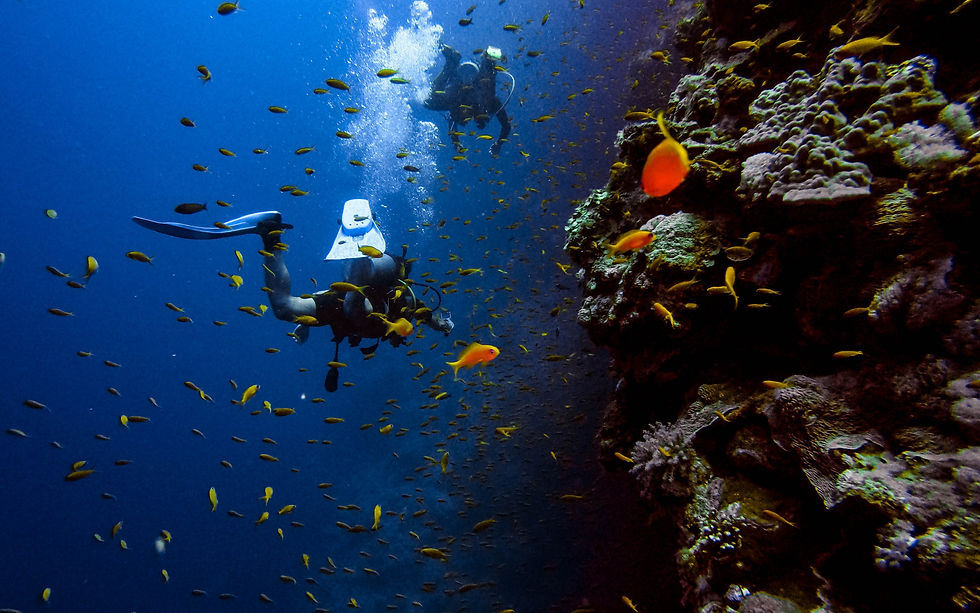
Pigeon Island off Trincomalee is the finest reef dive on the east coast: a protected marine park where the coral coverage is exceptional and blacktip reef sharks cruise the shallower sections with complete indifference to divers. The water here in the May to October season is warm, calm, and extraordinarily clear. Sea turtles are resident. The outer reef drops to depth where pelagic species including tuna and occasional hammerheads appear.
Choose dive operators carefully. The quality of equipment and instruction varies significantly and the best operators are well-reviewed and transparent about their certifications. Ask specifically about the ratio of guides to divers and about the condition of the equipment before you book. A good dive in Sri Lanka is a remarkable experience. A poorly run one is not.


Comments