Vegetarian Sri Lanka: Why This Is One of Asia's Best Plant-Based Destinations
Sri Lanka is an exceptional country for vegetarian eating and this comes as a genuine surprise to people who arrive expecting to have to negotiate their way through a meat-heavy cuisine. The truth is that the majority of traditional Sri Lankan dishes are vegetable or lentil-based, and the flavour complexity that the spice tradition brings to these dishes makes them some of the most satisfying plant-based food anywhere in Asia.
A full vegetarian rice and curry at a good local restaurant is the place to start. The spread will include dhal cooked with coconut milk and tempered with mustard seeds and curry leaves, a jackfruit curry that manages to be simultaneously meaty in texture and deeply coconutty, a green bean or bitter gourd preparation, a pumpkin curry slow-cooked until it has almost become a paste, and pol sambol on the side. This is not a reduced version of the full meal. It is the meal.
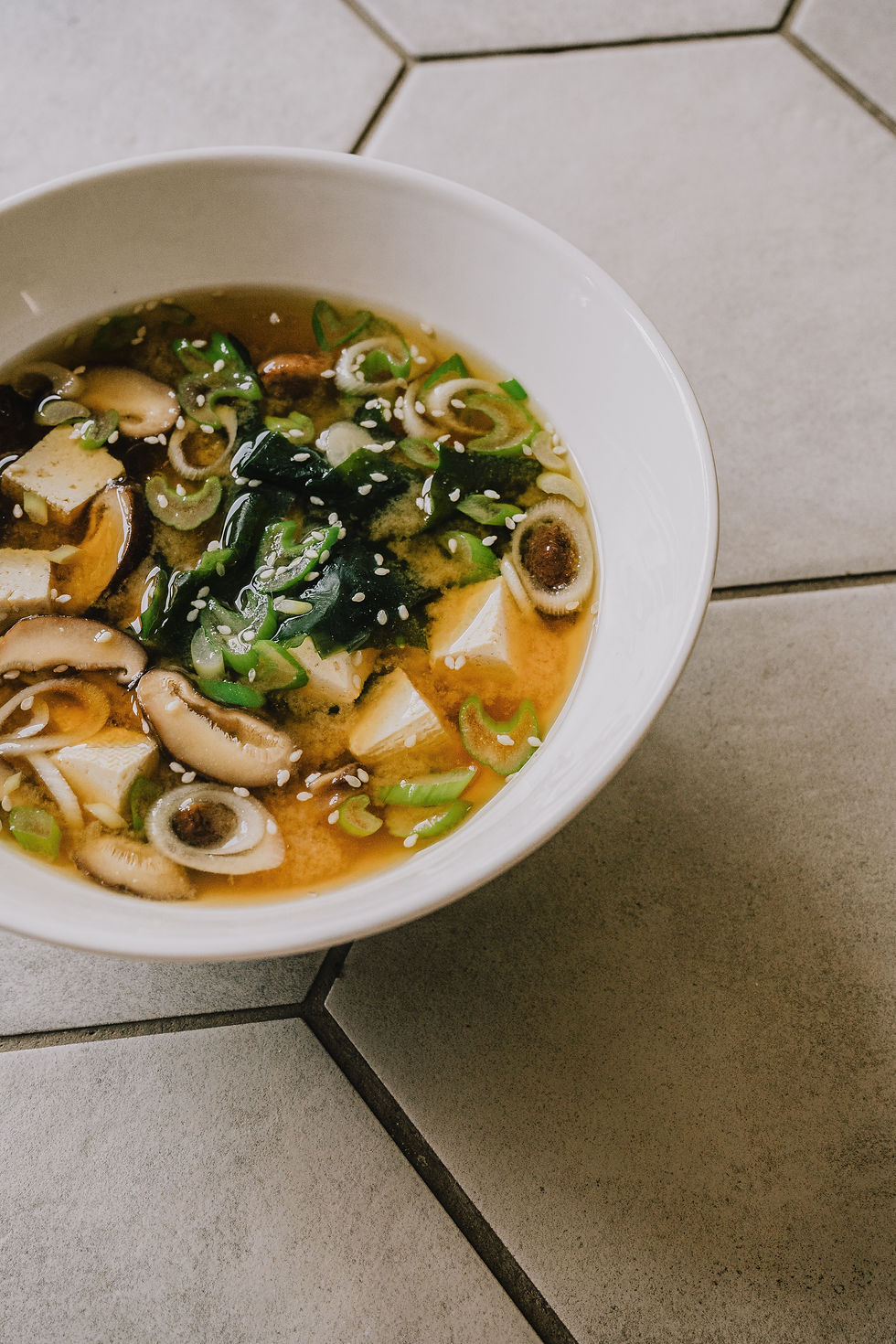
Jackfruit deserves its own paragraph. Unripe jackfruit cooked in a spiced coconut gravy is one of the great vegetable preparations of South Asia. The texture absorbs flavour in a way that few vegetables do and the result is deeply satisfying without any performance of trying to replicate meat. Order it wherever you see it offered and eat it over rice with a substantial amount of the gravy.
For vegan eating specifically: coconut milk replaces dairy in almost all traditional Sri Lankan cooking, which means the traditional cuisine is often vegan by default. The one thing to ask about is ghee, which is used in some preparations, and dried Maldive fish, which appears in certain sambols. Ask specifically and most restaurants can accommodate. The Buddhist traditions that run through Sri Lankan culture have produced a cooking tradition that is more naturally plant-friendly than almost anywhere else in South Asia.


Comments