Diving and Snorkelling in Sri Lanka: The Complete Guide
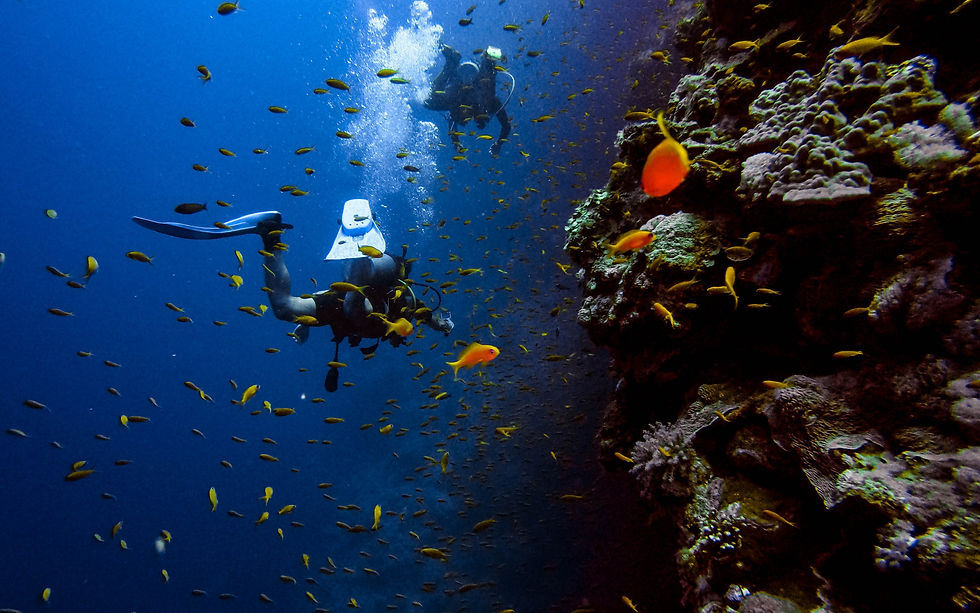
The waters around Sri Lanka are warm year-round and in the right conditions they are extraordinarily clear. The marine life here includes sea turtles, reef sharks, leopard sharks, enormous schools of reef fish, and at depth, rays and occasional whale sharks. The variety and abundance are proportional to how undisturbed the reef is, and Sri Lanka still has reef systems that have not been heavily affected by mass tourism.
Pigeon Island National Park off Trincomalee on the east coast is the finest marine reserve in Sri Lanka. A short boat ride from Nilaveli Beach, the park has two islands with shallow reef systems that begin almost at the waterline. Blacktip reef sharks patrol the outer edges with a casualness that suggests they know they are protected here. Sea turtles feed on the coral. The coral itself is among the healthiest in Sri Lanka.

Hikkaduwa on the west coast was the original diving destination of Sri Lanka and the reef here is easily accessible directly from the beach. The coral has suffered over the years from warming events and tourism pressure but the fish life is still excellent and several wrecks in the area make for interesting dive sites. The Conch is a particularly photogenic wreck resting at 30 metres with good soft coral growth and a resident cloud of glassfish.
Bar Reef off Kalpitiya in the northwest is the most remote and arguably the most spectacular diving in the country. Getting there requires commitment but the reef system at Bar Reef is genuinely pristine in places, with walls, pinnacles, and a diversity of species that reflects what the whole island's coastal waters must have looked like several decades ago. Go before this changes.


Comments